
Evictions are one of the hardest parts of owning rental property. No landlord wants to remove a tenant, and no resident wants to be in that position. Still, when rent is not paid or the lease is seriously violated, Houston rental owners need to understand the process before emotions, delays, or missed steps make the situation worse.
Texas Property Management Partners works with rental owners who want clear systems, proper documentation, and a steady process when tenant issues come up. The goal is always to avoid eviction when possible, but if it becomes necessary, landlords need to know what happens next.
Key Takeaways
- Late rent needs a clear process, not guesswork, because missed notices or unclear lease terms can slow everything down.
- A Notice to Vacate is one of the most important steps before filing an eviction case in Texas.
- Court filings, hearings, judgments, and writs all serve different purposes, and landlords should understand each step.
- Tenant communication can sometimes prevent an eviction, but landlords still need to protect possession of the property.
- A consistent lease, screening process, and management system can reduce the risk of repeat issues.
Why Evictions Should Start With Prevention
The best eviction process is the one you never have to use.

For Houston landlords, that starts before a tenant ever moves in. A strong lease, clear rent due dates, documented late fees, and consistent communication all matter. If rent is due on the first and considered late after a certain date, that should be clearly spelled out in the lease.
Tenant screening also plays a major role. No screening process is perfect, but reviewing income, rental history, credit patterns, background information, and prior landlord references can help reduce risk. Rental owners who want to tighten up this part of their process should understand how tenant screening in Houston supports better long-term rental decisions.
Once a tenant is approved, reminders can help. Sending rent reminders before rent becomes late gives residents a fair chance to stay current and helps create a documented communication trail. Many late payments are not intentional. People forget, get paid late, work odd hours, or run into temporary problems.
That said, landlords also need boundaries. A reminder system should not replace the lease.
Step 1: Confirm Rent Is Late or the Lease Was Violated
For nonpayment of rent, check the lease and payment records. Make sure the payment was not received, pending, misapplied, or sent through another approved method. If the issue is a lease violation, gather documentation such as photos, messages, inspection notes, complaints, or written notices.
Good documentation matters because eviction is a legal process. A landlord should be able to clearly show what happened, when it happened, and how it violated the lease.
For owners buying or expanding rental portfolios, this is also why the operating side of real estate matters as much as the purchase. A property may look good on paper, but without strong management systems, income can become unpredictable. That is why investors should think about lease enforcement and resident management when buying investment property in Texas.
Step 2: Communicate Before Filing
Once rent is late, it is usually worth making contact before moving straight to court.
This does not mean negotiating endlessly. It means giving the tenant a chance to resolve the balance, explain the situation, or voluntarily move out if they know they cannot catch up.
This can help both sides. For the landlord, it may avoid court time, filing costs, vacancy delays, and property access issues. For the tenant, it may prevent an eviction filing from becoming part of their rental history.
The key is consistency. If a landlord allows informal promises every month, the process becomes harder to enforce. Communication should be professional, documented, and tied back to the lease.
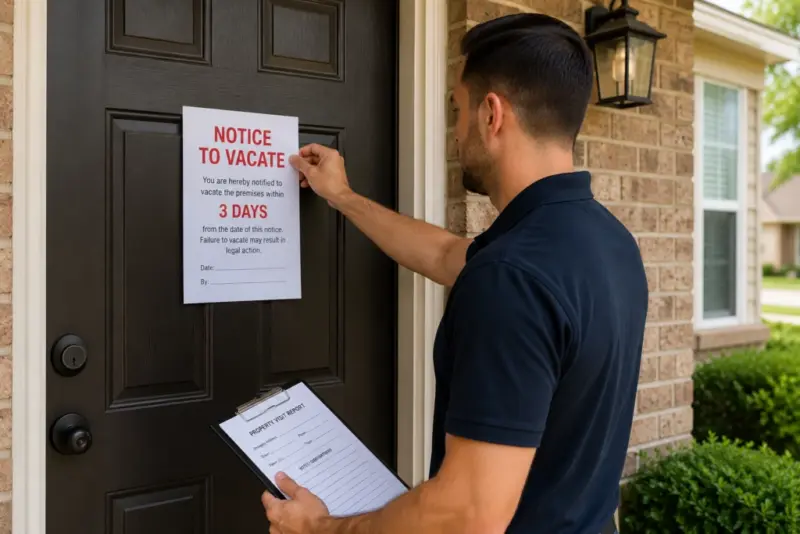
Step 3: Serve the Notice to Vacate
In Texas, landlords generally need to give proper notice before filing an eviction suit. The Texas Property Code outlines rules related to forcible detainer actions and possession of rental property, including how eviction cases are handled under Texas eviction law.
Many residential leases require a three-day notice period unless the lease states otherwise. This is commonly referred to as a Notice to Vacate or a pay-or-vacate notice when the issue is unpaid rent.
The notice should be handled carefully. Landlords need to pay attention to:
- The tenant’s name
- The rental property address
- The amount owed, if applicable
- The deadline to pay or leave
- The method of delivery
- Any lease-specific requirements
Common delivery methods may include posting notice at the property, mailing notice, or sending notice electronically, depending on the lease and legal requirements. Landlords should avoid shortcuts here. A defective notice can create delays.
Step 4: File the Eviction Case in the Correct Court
If the tenant does not pay, cure the issue, or move out after the notice period, the next step is filing an eviction case.

In Texas, eviction cases are generally filed in Justice Court. The case needs to be filed in the proper precinct where the rental property is located. Texas venue rules state that a forcible entry and detainer suit should be brought in the precinct where all or part of the property is located, which is why landlords should confirm the correct Justice Court venue before filing.
This step is where organization matters. The landlord should have:
- A signed lease
- Payment ledger
- Copies of notices
- Proof of delivery
- Communication records
- Photos or supporting documents, if relevant
Once the case is filed, the court will issue a hearing date. The tenant will also need to be properly served.
Step 5: Attend the Court Hearing
The court hearing is where the landlord explains why they are seeking possession of the property.
In many cases, tenants do not appear. If that happens, the landlord may receive a default judgment if the paperwork and case are in order. If the tenant does appear, the landlord should be prepared to clearly explain the issue, provide documentation, and state what they are asking the court to award.
For many property managers, the primary goal is possession. Payment matters, but getting control of the property back is often the most urgent issue, especially when unpaid rent is continuing to grow.
This is also where landlords need to stay professional. Court is not the place for emotion, arguments, or loose verbal agreements. Bring records, stay factual, and be clear.
Step 6: Understand Judgment, Appeal, and Possible Delays
If the court rules in the landlord’s favor, the landlord receives a judgment for possession. That does not mean the landlord can immediately change the locks or remove the tenant.
The tenant may have certain rights after judgment, including the ability to appeal. In some cases, tenants may file a pauper’s affidavit, which is related to claiming inability to pay certain court costs. This can extend the timeline and delay final possession.
Landlords should be aware of this possibility, especially if the tenant has been through the process before. Most cases may move faster, but a landlord should not assume every eviction will be finished in a few days.
Eviction timelines can vary depending on the court, tenant response, service issues, appeals, holidays, and local scheduling.
Step 7: Request the Writ of Possession
If the tenant still does not move out after judgment and the required waiting period has passed, the landlord can request a writ of possession.
The writ is the court order that allows the final removal process to move forward. At that point, local law enforcement, usually a constable or sheriff, is involved. A landlord should not attempt a self-help eviction by changing locks, shutting off utilities, or removing belongings without the proper court process.
On the day possession is returned, landlords may need a locksmith and movers available. If personal property remains inside, it may need to be removed according to Texas requirements. This is one reason eviction day should be planned, not handled casually.
Federal housing rules also include protections against illegal discrimination, and landlords should make sure their processes are consistent and fair under fair housing requirements.
What Landlords Should Avoid During an Eviction
Evictions are stressful, but mistakes can create bigger problems.
Houston landlords should avoid:
- Changing locks without a court order
- Shutting off utilities to force a tenant out
- Threatening or harassing the tenant
- Accepting partial payments without understanding the impact
- Filing before proper notice has been given
- Showing up to court without documentation
- Making side agreements that conflict with the lease
A clean process protects the property owner. It also helps keep the situation from becoming more expensive than it already is.
How Better Property Management Reduces Eviction Risk
Evictions cannot always be avoided, but good management reduces the odds.
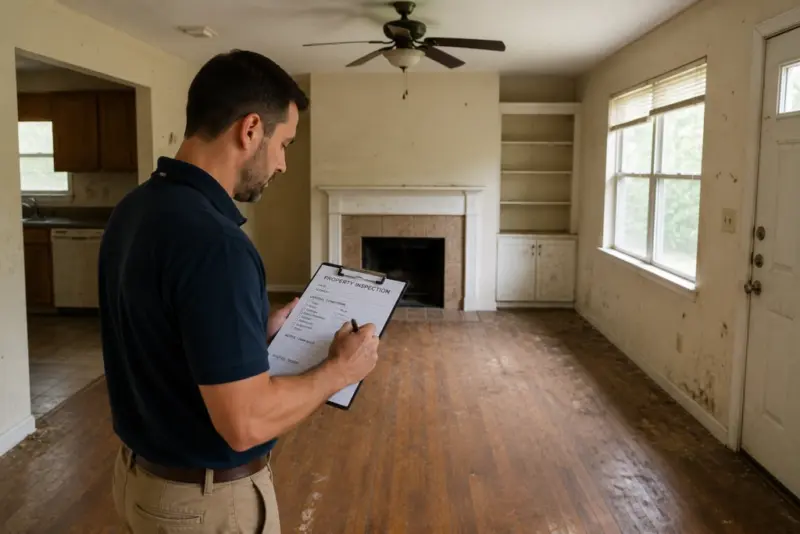
Strong property management includes rent collection systems, lease enforcement, tenant communication, inspections, documentation, maintenance coordination, and compliance-minded processes. These systems help landlords catch problems earlier and act consistently.
For rental owners who are unsure what should be handled by a professional manager, understanding what property management includes can make it easier to see where eviction prevention fits into the bigger picture.
Eviction is not just a legal event. It is often the result of earlier management issues, weak screening, unclear expectations, poor documentation, or delayed action.
Final Thoughts on the Eviction Process
The Houston eviction process requires patience, documentation, and a clear understanding of each step. A landlord’s goal should be to resolve issues before court whenever possible, but also to act quickly and properly when possession of the property is at risk.
Texas Property Management Partners helps rental owners think through these situations with practical systems and a steady approach, so problems are handled professionally instead of reactively.