
Key Takeaways
- Consistent standards: Written criteria and documented decisions support fair screening throughout the rental cycle.
- Complete records: Signed leases, condition reports, repair logs and delivered notices create a usable history for each property.
- Timely action: Calendar lease dates and legal deadlines so required steps are completed and recorded.
Many landlords think of compliance as a pile of rules they hope never to test. In practice, it is simply a set of habits. Consistent advertising, screening, lease administration and repair records make those habits easier to maintain.
At Texas Property Management Partners, we connect these daily tasks through screening, maintenance coordination and reporting. This checklist follows the rental cycle from setting standards to notices and move-out.
Step 1: Set Written Standards Before You List
Compliance begins before the first inquiry. Put rental criteria in writing, including income verification, credit and rental history, and relevant background checks. Texas law requires tenant selection criteria to be made available with the application, including grounds for denial. Obtain the applicant’s acknowledgment, keep a dated policy and have an attorney review your standards.
Step 2: Advertise Fairly and Accurately
Your listing is a public statement about the home and its terms. Describe features accurately, state rent and key terms, and avoid preferences for particular groups. Use consistent photos and descriptions across platforms. Update the listing when availability or terms change.
Step 3: Treat Every Applicant the Same
Offer the same property information and use a consistent application process. Keep a log of inquiries, showings and applications. Evaluate disability-related reasonable accommodation requests individually. Assistance animals are not pets, so handle those requests through the accommodation process rather than automatically applying ordinary pet restrictions.
Step 4: Screen Consistently and Document Decisions
Use a consistent screening process and record the reason for each approval, conditional approval or denial. If a consumer report influences a denial or higher deposit, provide the required adverse action notice. Written notices help document compliance; using a credit score in the decision triggers additional written or electronic disclosures.

Step 5: Use a Clear, Current Lease
A strong lease is the backbone of compliance. Include the parties, property, term, rent, due dates, deposit, late fees, utilities, maintenance duties, pet rules, entry terms and required disclosures. Have your lease reviewed periodically instead of repeatedly using an unchecked form.
Review key terms at signing and give the tenant a complete copy. Secure the signed lease and addenda. Calendar lease expirations, renewal dates, inspections and notice deadlines so each task has a clear due date.
Step 6: Handle the Security Deposit Carefully
Check the collected amount against your lease, then confirm deadlines. Texas security deposit refunds are generally due within 30 days after surrender, with the refund obligation dependent on a written forwarding address. Deduct only amounts the tenant legally owes, excluding normal wear. Preserve photos and receipts, and provide the required written deduction statement; Texas has a specific exception for undisputed unpaid rent.
Step 7: Document the Move-In Condition
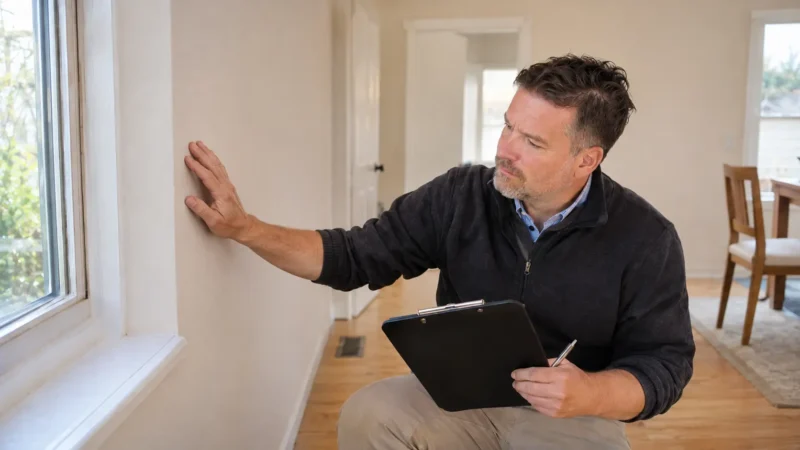
A signed move-in inspection and photographs create a baseline for floors, walls, appliances, fixtures and systems. Ask the tenant to review and sign the report, and give them a copy. Record existing defects clearly so they remain distinguishable from damage found at move-out. Include dated close views of existing damage and clear wider views showing which room each photograph covers.
Step 8: Respond to Repairs Promptly
Provide a clear way to submit repair requests and prioritize conditions affecting health or safety. Texas repair duties depend on statutory conditions, including notice and rent status. Responding to maintenance concerns promptly creates a useful record: log the request, response, vendor visit and completed work, including unresolved follow-up.
Step 9: Follow Entry and Privacy Rules
Respect the tenant’s peaceful use of the home. Follow the lease’s entry terms, arrange access and record why and when you entered. Texas has no general statutory entry-notice period. As a routine practice, give reasonable advance notice of scheduled visits and explain how inspections protect the property’s condition. Set inspection expectations in the lease and maintain a predictable schedule for each property.
Step 10: Send Notices Correctly and On Time
Late rent, lease violations, renewal decisions and eviction involve different notice requirements. Check the required notice content, timing and delivery method against the lease and current law. For eviction, Texas notice requirements include determining whether a notice to pay rent or vacate is required. Retain the notice, delivery record and response.

Step 11: Never Use Self-Help
Do not use lock changes, removal of belongings or utility shutoffs to force a tenant out. Texas has a court process for removing tenants. Have an attorney review the situation before pursuing eviction, and preserve payment records and communications throughout the process.
Step 12: Plan for Move-Out
Schedule a move-out inspection and compare it with the move-in record. Document damage with photos, retain repair receipts and request a written forwarding address. Calendar the deposit deadline and prepare any required itemized statement alongside the inspection records.
How a Manager Can Build Compliance Into Daily Work
Screening, rent collection, maintenance and financial reporting, with two scheduled property assessments each year, are part of our full-service management. Our eviction assurance covers legal costs up to one month’s rent for nonpayment cases involving residents we placed. Our cancellation assurance allows cancellation without a fee on 30 days’ notice.
Bottom Line
Landlord compliance comes down to consistency: written standards, clear leases, careful deposit handling, prompt repairs and documented notices. Texas Property Management Partners brings these tasks into daily operations, helping owners maintain an organized record from the first application through move-out.
Get Your Free Rental Analysis!
Frequently Asked Questions About Landlord Compliance
A workable checklist also needs clear responsibilities and records that remain useful after the tenancy ends.
What Is the Most Important Part of Landlord Compliance?
Consistency is key. Turn each policy into an action you can document, such as recording a screening decision or closing a repair request.
For every stage, identify who completes the task, what record they create and when it is due. Review a sample property file periodically to find missing signatures or unfinished follow-up. When a policy changes, date the replacement and keep the earlier version with files it governed. This makes your decisions easier to explain later.
How Long Should I Keep Rental Records?
Rental records serve different legal, tax and insurance purposes. IRS record-retention guidance distinguishes ordinary tax records from property records needed through ownership and beyond disposal.
Keep applications, leases, notices, inspection reports, repair records and payment ledgers under a written retention schedule. Ask your attorney and tax professional to set appropriate periods for each category. Store documents securely, back them up and retain relevant records while a dispute is unresolved, rather than deleting everything when a tenant leaves.
Do I Have to Give Written Notice for Everything?
The required format depends on the event, applicable law and lease terms. A routine scheduling message is different from a formal notice affecting tenancy. Before sending a formal notice, identify its purpose and confirm the required wording, timing and delivery method.
Save the version actually delivered and its delivery evidence together. A calendar entry alone does not show what the tenant received. Written follow-up also helps keep informal repair or access arrangements clear and easier to track.
Can I Handle Compliance Myself?
Many landlords do, but it takes time, organization and ongoing learning. Start with written policies, a current lease, a deadline calendar and a secure filing system. Plan who will respond when you are unavailable, especially for urgent repairs.
Review the work involved in screening, inspections, notices and deposit accounting before deciding what to delegate. Professional legal review can address documents and specific disputes, while a manager can handle daily procedures. Choose an arrangement you can maintain consistently throughout the tenancy.
How Can a Property Manager Help With Compliance?
A manager can standardize screening, lease administration, inspections, notices and recordkeeping. At Texas Property Management Partners, our screening, maintenance coordination and financial reporting connect those tasks in one management process.
Regular assessments provide condition records, while payment reports and repair histories help owners understand what has happened at the property. Establish how repair approvals, urgent issues and owner decisions will be handled at the start. Clear responsibilities let the manager follow through efficiently and keep the owner informed.