
Key Takeaways
- Urgency: Threats to people, serious property damage, and unsafe living conditions need immediate attention.
- Preparation: Clear reporting instructions, spending limits, and after-hours vendors help owners respond quickly.
- Prevention: Routine maintenance and documented follow-up help reduce repeat emergencies.
Few things test a landlord-tenant relationship like a maintenance problem at 11 p.m. on a Saturday. Water pouring from a ceiling and a dripping faucet need different responses. Clear expectations prevent delayed repairs, bigger damage, and frustrated residents.
At Texas Property Management Partners, we help Greater Houston owners manage property upkeep. This guide explains which problems need immediate attention and how to prepare. Review your lease and current Texas requirements, and confirm specifics with a qualified professional.
Want More Information?
Why the Definition Matters
Defining emergencies in advance saves money and stress. Treating everything as urgent creates unnecessary after-hours bills; treating serious problems as routine allows damage to spread. An emergency threatens people, causes serious property damage, or makes the home unlivable. If waiting until business hours would materially worsen the situation, act immediately.
Situations That Typically Qualify
- Gas leaks or the smell of gas: Leave immediately, call the utility and 911 from safety, then notify management.
- Fire, smoke, or electrical hazards: Sparking outlets, burning panels, exposed live wires, and active fires need emergency services.
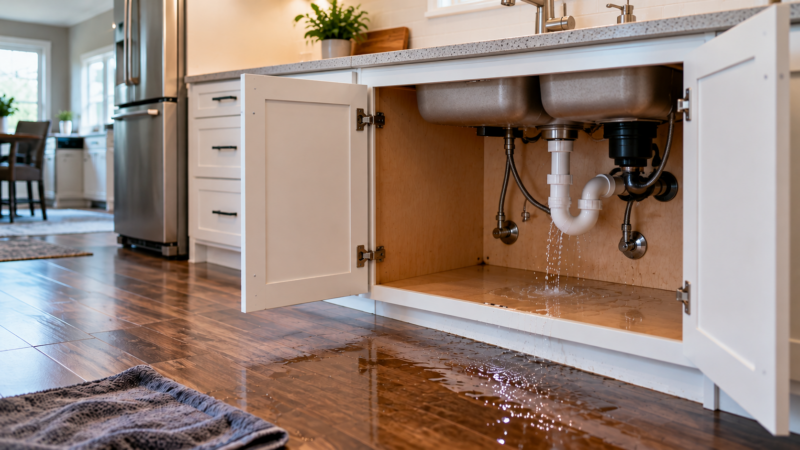
- Major water leaks and flooding: Burst pipes, overflowing water heaters, and ceiling leaks need rapid attention.
- Sewage backups: Raw sewage creates an immediate health hazard.
- No heat in freezing weather: Residents and plumbing can be at risk.
- No air conditioning in extreme heat: Failed cooling can create dangerous indoor conditions.
- Loss of all electricity or water: When the cause is within the home and not a utility outage.
- Break-ins or security failures: Broken exterior locks can leave the home unsecured.
- Storm damage: Roof openings and broken windows need quick protection.
- Carbon monoxide or smoke alarms: Treat an alarm indicating danger as an emergency.
Situations That Usually Can Wait
Dripping faucets, isolated burned-out lights, slow drains, cosmetic cracks, stuck interior doors, and appliances without safety issues usually need routine work orders. A running toilet that can be safely shut off or a clogged sink with another working sink may also wait. Report these problems and schedule repairs promptly.
Gray Areas
Circumstances change priorities. A failed refrigerator in an occupied home differs from one in a vacant property. A blocked toilet becomes more urgent when it is the only toilet. A garage door that cannot close may leave the home unsecured. Clear descriptions, photos, and video help establish the risk.
Preventive care includes changing HVAC filters, servicing air conditioners before summer, clearing gutters and drains before storm season, checking water heaters, and testing smoke alarms and carbon monoxide alarms. Seasonal inspections catch slow leaks, worn roofing, and aging connections before they fail.
What Tenants Should Do First
The first few minutes matter. Put these instructions in the move-in packet:
- Move people to safety and call 911 for immediate danger.
- Shut off water or affected electrical equipment only when safe.
- Call the emergency maintenance line instead of relying on email.
- Take photos from safety and stay reachable for access arrangements.
Show residents shutoff locations at move-in; suspected gas leaks require evacuation, not attempts to operate equipment.
Building an Owner Emergency Plan
Advance preparation helps vendors begin urgent work without delays. Keep the plan accessible outside business hours:
- Define emergencies in the lease or addendum.
- Provide a monitored emergency contact method.
- Set pre-approved repair spending limits.
- Arrange after-hours plumbers, electricians, HVAC technicians, roofers, and restoration vendors.
- Keep insurance contacts, claim information, photos, invoices, and incident notes together.
Have More Questions?
Texas-Specific Considerations
Texas law requires diligent efforts to repair conditions materially affecting an ordinary tenant’s physical health or safety, after proper notice and when the tenant is current on rent, subject to exceptions for tenant-caused damage.
The Property Code also addresses notice, remedies, security devices, smoke alarms, and repair procedures. Verify applicable requirements with an attorney. Houston-area flood and freeze risks also warrant a storm response plan.
Who Pays?
Normal wear and aging-system repairs generally fall to the owner. When tenant or guest negligence causes damage, the lease typically allows repair charges. Photos, vendor findings, and written descriptions help establish the cause and support any charge-back.
Communication Is Half the Battle
Acknowledge reports quickly, share estimated arrival times, explain delays, and confirm the repair worked. Owners need the cause, cost, and follow-up plan. Fast, honest communication builds trust and supports longer tenancies.
How a Property Manager Helps
A manager handles triage, vendor coordination, access, documentation, resident updates, and insurance paperwork. Our veteran-owned Katy firm serves Katy, Conroe, Cypress, Fulshear, Houston, Magnolia, Missouri City, Richmond, Rosenberg, Spring, Sugar Land, The Woodlands, and Waller.
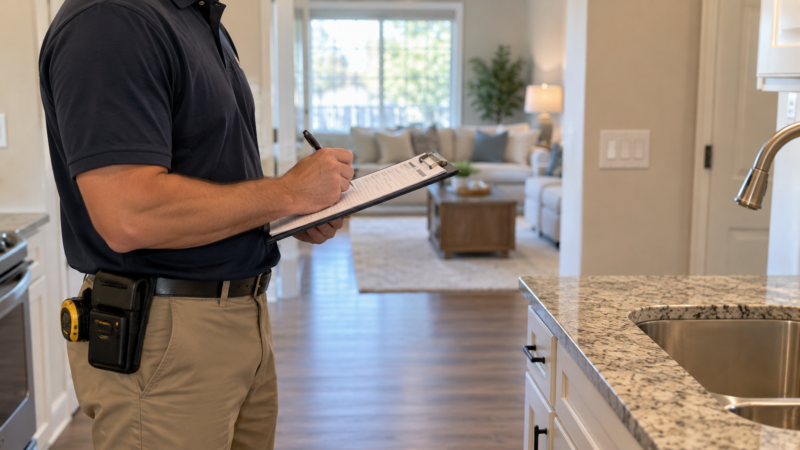
We combine in-house brokerage experience, flat monthly management fees, no lease renewal fees, and two scheduled property assessments each year to catch problems early.
Emergency Maintenance Checklist
- Define emergencies and distribute the monitored reporting number.
- Explain shutoffs and agree on repair spending limits.
- Maintain after-hours vendors and document incidents.
- Communicate promptly and review the plan annually and after storms.
Bottom Line
A clear emergency plan protects residents and limits property damage. Texas Property Management Partners combines preventive assessments with repair coordination and communication, helping Greater Houston owners handle urgent problems and maintain their rentals.
Ready to Get Started?
Frequently Asked Questions About Emergency Maintenance
Good procedures cover the handoff between the initial report, the vendor’s visit, and the final repair record.
What Information Should an Emergency Report Include?
Ask for the property address, affected room, time the problem started, and whether it is getting worse. Residents should describe visible water, unusual smells, loss of service, or an unsecured opening without investigating dangerous equipment.
Photos can help a vendor prepare when they can be taken safely. Record a callback number and explain how access will be arranged. These details help the person handling the call choose an appropriate vendor and avoid repeated requests for the same information.
How Should Owners Handle a Utility Outage?
First establish whether the interruption affects only the rental or a wider area. A utility outage and a failed component inside the home require different coordination. Check the utility’s outage information and keep residents informed while arranging any necessary property inspection. Ask about indoor conditions and other immediate hazards, especially during extreme weather.
Record when service stopped and any damage reported after restoration. That record helps distinguish the original outage from a separate repair still needed inside the property.
How Can an Owner Prepare While Living Elsewhere?
Distance makes clear responsibilities especially useful. Decide who receives the first call, authorizes urgent work, coordinates access, and updates the resident. Full service management brings those daily tasks together, while an owner handling the rental directly needs an available local contact and established vendors.
Keep current contact details and spending instructions accessible to that person. Review unresolved repairs after each incident so a temporary repair does not get mistaken for completed work or disappear between different contractors.
What Should Happen After a Major Water Leak?
Once immediate hazards are controlled, have the vendor establish the leak’s cause and identify affected areas. Stopping visible water is only part of the work; wet materials also need attention. Arrange appropriate drying and restoration, preserve photos, and keep repair invoices together.
Confirm whether another visit is needed to repair walls, flooring, or equipment. Tell the resident what remains open and who will return. A documented follow-up helps the owner track the whole repair instead of closing it after the first visit.
When Should the Emergency Plan Be Updated?
Review the plan each year and after major storms or significant incidents. Check whether contact numbers worked, vendors answered, spending approvals caused delays, and residents understood the instructions. Update equipment information when systems are replaced and replace outdated insurance contacts.
If a repair exposed a recurring issue, add it to the maintenance schedule. The useful question is what would make the next response clearer or faster. Keep the revised instructions available to everyone responsible for reporting or coordinating repairs.
Let’s Get Started!