

Key Takeaways
- Plan ahead: Review rental permissions, insurance, taxes, and reserves before listing.
- Prepare thoroughly: Inspect major systems, address safety, and document the home’s condition.
- Manage consistently: Use current comparables, objective screening criteria, and a compliant lease.
Turning your Katy home into a rental can be a smart financial move, but a successful rental does not happen by accident. Careful preparation helps owners lease faster and face fewer problems.
At Texas Property Management Partners, we help owners coordinate preparation and ongoing management. This checklist covers finances, repairs, marketing, screening, and the lease before your first tenant moves in.
Want More Information?
1. Decide Whether Renting Is Right for You
Clarify your reason for renting: relocation, investment, or an unsold home. Ask:
- How long will I keep it as a rental?
- Can I cover carrying costs and repairs during vacancy?
- Will I manage it myself or hire a professional?
- Am I prepared for a landlord’s ongoing responsibilities?
2. Review Your Mortgage, HOA, and Insurance
Confirm permission and coverage before listing:
- Mortgage: Review occupancy requirements and notification rules with your lender.
- HOA: Check current deed restrictions and bylaws for rental limits, registration, minimum terms, and fees.
- Insurance: Confirm rental-use, structure, and liability coverage with your insurer; homeowner policies may not cover rentals, so discuss landlord or dwelling insurance and flood coverage.
3. Understand the Tax and Legal Basics
Rental income is taxable. Track income and expenses from day one, and review deductions and depreciation with a tax professional. Understand Texas rules on deposits, repairs, security devices, and notices, plus federal fair housing requirements for advertising and screening. Verify current requirements with qualified professionals.
4. Inspect and Repair the Property
Inspect before listing and identify repair priorities:
- Roof and exterior: Check leaks, shingles, siding, and drainage.
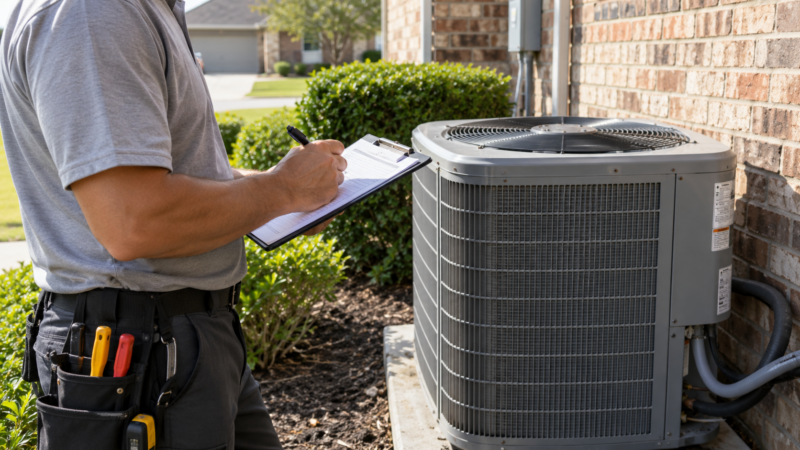
- HVAC: Service the air conditioner before listing.
- Plumbing and water heater: Investigate leaks, slow drains, and aging fixtures.
- Electrical: Have outlets, switches, the panel, and GFCI outlets checked.
- Appliances: Confirm that all provided appliances work.
- Structure: Investigate cracks and sticking doors, especially in expansive clay soil areas.
- Pests: Treat infestations before move-in.
5. Prioritize Safety
Install or test smoke alarms and carbon monoxide detectors. Keep exits clear and check stairs, handrails, locks, and security devices. Review current Texas security-device and rekeying requirements before the tenancy begins.
6. Refresh the Home for Market
Focus on improvements with the best return:
- Deep clean rooms and refresh flooring.
- Repaint in neutral colors where needed.
- Update dated lighting and hardware.
- Refresh landscaping and curb appeal.
- Fix loose handles, torn screens, and cracked outlet covers.
Have More Questions?
7. Price the Rent Correctly
Compare active and recently leased Katy homes by size, school zone, condition, features, and location. Check leasing time and seasonal demand. A current rental analysis balances income and speed; weeks of vacancy can outweigh a small increase in asking rent.
8. Build Your Budget
Budget for:
- Mortgage payments, property taxes, insurance, and HOA dues.
- Maintenance and repairs.
- Vacancy and turnover reserves.
- Management fees, if applicable.
- Lawn care, pest control, and recurring services assigned by the lease.
- Capital expenses such as roofs, HVAC, and water heaters.
H2: 9. Market the Home
Use professional photos, accurate descriptions, wide rental-platform distribution, and video or 3D tours. Highlight verifiable features: school zones, commute access, parks, shopping, fenced yards, garages, kitchens, and home-office space. Present the home consistently to every prospect.

We combine in-house brokerage experience, flat monthly management fees, no lease renewal fees, and two scheduled property assessments each year to catch problems early.
10. Screen Applicants Carefully
Apply written screening criteria consistently. Verify identity, income, and employment; review credit, rental history, and landlord references. Conduct criminal background checks in line with applicable guidance. Document decisions and follow adverse action notice requirements when an unfavorable decision relies partly or wholly on a consumer report.
H2: 11. Use a Strong Lease
Use a current Texas-compliant lease covering rent, late fees, deposits, maintenance, pets, utilities, lawn care, occupancy, early termination, entry, and required disclosures, including lead-based paint information for applicable older homes. Use forms from a licensed professional or attorney instead of an unchecked generic internet form.
12. Document the Condition
Complete a move-in inspection with dated photos and video, and obtain the tenant’s signature. Keep receipts, communications, and inspection records together to support later condition comparisons.
Plan for emergencies: name an after-hours responder, choose plumbing, electrical, and HVAC vendors, establish spending limits, and decide how updates will reach you.
13. Plan for Ongoing Management
Assign responsibility for rent collection, maintenance requests, emergencies, periodic inspections, renewals, and year-end tax reporting. Keep reliable vendors available so management continues smoothly after the first lease is signed.
The Quick Pre-Rental Checklist
- Confirm mortgage and HOA permission.
- Arrange landlord insurance and consider flood coverage.
- Review tax and Texas landlord requirements.
- Inspect and repair major systems and structure.
- Test safety devices and rekey locks.
- Clean, paint, and refresh the home.
- Price using current comparables.
- Budget with reserves.
- Market with strong photos and wide distribution.
- Screen consistently and use a compliant lease.
- Document move-in condition.
Why Many Katy Owners Choose a Local Manager
Our veteran-owned Katy firm serves Katy, Conroe, Cypress, Fulshear, Houston, Magnolia, Missouri City, Richmond, Rosenberg, Spring, Sugar Land, The Woodlands, and Waller. With an in-house brokerage background and about ten years of local experience, we handle 3D video marketing, screening and placement, rent collection, maintenance coordination, and two scheduled property assessments annually.

Our flat monthly fees are $100–$250, with no lease renewal fees and cancellation on 30 days’ notice. Eligible plans include eviction assurance covering legal costs up to one month’s rent when a resident we placed is removed for nonpayment. We also offer a free rental analysis and a short quiz to help owners assess their need for management.
Bottom Line
A successful rental starts with permission, preparation, and a workable management plan. Texas Property Management Partners brings local experience and coordinated services to help Katy owners prepare their homes and manage the tenancy that follows.
Ready to Get Started?
Frequently Asked Questions About Preparing a Katy Rental
Preparation decisions depend on the home’s condition, your budget, and the work you can reliably handle after move-in.
Do I Need to Review My Insurance Before Renting?
Yes. Before listing, review coverage for rental use with your insurer. A homeowner policy may exclude rental losses or provide limited protection. Explain how you plan to rent the home and discuss landlord or dwelling insurance, structure and liability coverage, and flood protection.
Confirm the arrangement before tenants move in, and keep policy documents with your property records. Matching coverage to the home’s actual use helps you understand what is protected before a tenancy begins.
How Should I Choose Between Repairs and Upgrades?
Address safety and working systems first. An attractive kitchen does not make up for unresolved leaks, unreliable cooling, or faulty locks. Then compare cosmetic projects with the home’s condition and realistic rental price. Cleaning, neutral paint, repaired hardware, and tidy landscaping can improve presentation without a full renovation.
Consider both the upfront price and the effect on your preparation schedule. Keep a reserve for later maintenance so optional improvements do not consume the money needed to operate the rental.
How Should I Choose an Initial Asking Rent?
Compare your home with current competing listings and recently leased properties, paying attention to condition, size, location, and features. Asking prices show the competition; completed leases and leasing times help you judge how the market has responded. Account for seasonal demand without assuming one price works throughout the year.
Compare any hoped-for increase with the cost of extra vacancy. Keep the property’s presentation consistent with its price, and reassess the listing when inquiries or showings do not produce applications.
What Should Be Ready Before the First Move-In?
Finish the repairs and safety checks, confirm insurance coverage, and prepare the signed lease and required disclosures. Keep a dated condition report with photos and video, and arrange the tenant’s acknowledgment. These records establish a clear starting point for later inspections and deposit questions.
Also confirm who receives maintenance requests and after-hours calls. Have vendor contacts and spending limits available before an urgent problem occurs, and give the resident a clear explanation of how to report routine and emergency issues.
What Should I Delegate to a Property Manager?
Start with the recurring tasks you cannot consistently handle: marketing, screening, rent collection, maintenance coordination, inspections, renewals, or reporting. Decide who approves repairs, responds after hours, and keeps records so responsibilities do not fall between the owner and manager.
Compare the management arrangement with your budget and available time. Review the services, fee structure, cancellation terms, and any assurance provisions together. A useful arrangement gives each ongoing task an owner and helps keep the property managed after the initial leasing work ends.
Let’s Get Started!