

Key Takeaways
- Compare your Houston property’s expected rental income with mortgage, taxes, insurance, maintenance, vacancy, and management costs before deciding whether to rent or sell.
- Consider how keeping or selling the property fits your equity needs, tax situation, investment strategy, and long-term financial goals.
- If you choose to rent, professional Houston property management can handle leasing, resident management, maintenance, rent collection, and financial reporting while you remain focused on your investment.
How to Decide Whether to Rent or Sell Your Houston Home
If you’ve relocated for work, inherited a property, moved into another home, or simply aren’t happy with the offers you’re receiving, you may be asking an important question: should you rent or sell my house?
There isn’t one answer that works for every Houston homeowner. The better choice depends on your property’s current value, potential rental income, mortgage balance, expected expenses, tax considerations, investment goals, and how involved you want to be in managing the property.
At Texas Property Management Partners, we work with Houston-area property owners who are weighing these decisions. Our goal is to help owners evaluate their options using the numbers and circumstances specific to their properties.
Consider Your Equity, Cash Flow, and Long-Term Goals
Selling a Houston home can provide access to your equity immediately. Renting, on the other hand, keeps your capital invested in the property while creating the potential for ongoing rental income and future appreciation.
Selling could give you access to that capital for another investment, debt reduction, a new home purchase, or another financial goal.
Keeping the property means that equity remains tied to the home. Over time, mortgage principal payments can increase your ownership stake while property appreciation may provide additional value. At the same time, you take on the responsibilities and expenses associated with operating a rental.
Cash flow is another important consideration. Before deciding to rent, calculate your expected rent and subtract the mortgage payment, property taxes, insurance, maintenance, vacancy costs, and property management expenses.

A property that generates strong gross rent may not necessarily produce positive cash flow(opens in new tab) after all operating expenses are considered.
Understand the Tax Considerations Before You Decide
Taxes can also influence whether renting or selling makes more sense for your situation.
Homeowners who qualify for the federal primary residence exclusion may be able to exclude up to $250,000 of gain when selling a qualifying home, or up to $500,000 for married couples filing jointly. The rules depend on factors including ownership and use requirements, so property owners should review their individual circumstances with a qualified tax professional before making a decision.
Converting a former primary residence into a rental can also introduce depreciation and other tax considerations. These issues can become particularly important if you eventually sell the property.
Because tax consequences vary based on the owner’s circumstances, it is worth understanding the potential impact before deciding to keep a home as a rental. A tax professional can help you determine how the decision could affect your specific situation.
What Does Renting Your Houston Home Actually Cost?
Renting a property is not simply a matter of collecting a monthly check. A successful rental requires ongoing attention to leasing, resident communication, maintenance, financial tracking, and compliance.
Houston’s large and diverse rental market means owners need to consider how their specific neighborhood, property type, condition, and amenities affect rental performance. A home in one part of the Houston area can have very different rental prospects from a comparable property several miles away.

You should also account for vacancy when calculating potential returns. Even a property that rents consistently can experience periods without rental income between residents. Marketing, preparing the property for a new resident, repairs, utilities, and other turnover expenses can affect your annual return.
Professional management adds another expense, but it can also shift many of the day-to-day responsibilities away from the owner. Texas Property Management Partners uses flat monthly management fees, with a range of package options, depending on the selected level of service.
Should You Rent or Sell Your Houston Property?
Before making a decision, consider several questions about your property and your personal goals.
First, does the home produce enough rental income to justify keeping the property after accounting for its expenses? A positive monthly cash flow can make renting attractive, while consistently negative cash flow may require a stronger long-term reason to retain the property.
Next, do you need access to your equity now? If you’re planning to purchase another property, pay down significant debt, or use the proceeds for another investment, selling could provide the liquidity you need.
You should also consider how long you expect to hold the property. Renting may make more sense when you believe the property has long-term investment potential and you’re comfortable keeping your capital invested.
Finally, consider whether you actually want the responsibilities that come with being a landlord. Even a property with strong financial potential requires leasing, maintenance, resident communication, accounting, and ongoing oversight.
When Renting Makes Sense in Houston
Renting out your property can be an attractive option when the property has solid rental potential and you don’t need to access the equity immediately.
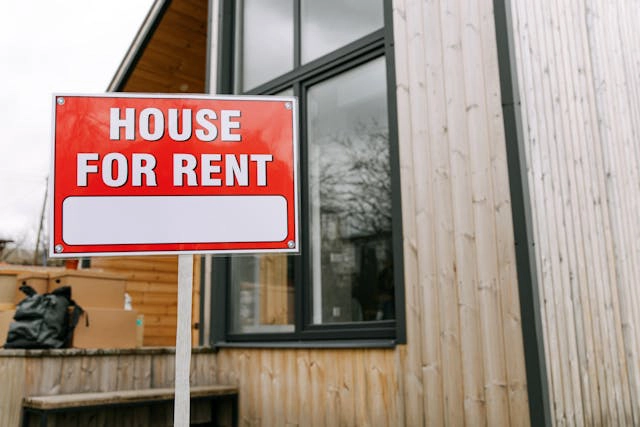
It may also make sense if you’ve relocated but want to retain ownership of the home, believe the property has long-term appreciation potential, or want to build a larger rental portfolio over time.
Houston’s broad economy and diverse housing market provide investors with a range of residential rental opportunities. Texas Property Management Partners manages single-family, luxury, and multifamily rental properties throughout Greater Houston, giving owners the option to pursue different residential investment strategies.
For owners who like the potential of renting but don’t want to manage the property personally, professional management can provide a middle ground between selling and becoming a hands-on landlord.
When Selling May Be the Better Choice
Selling may be more appropriate when you need the property’s equity for another purpose or when the cost of preparing and operating the home as a rental doesn’t fit your investment goals.
It can also be worth considering when the property requires significant repairs or capital improvements that you aren’t interested in funding. A rental property should make sense as an investment after considering those expenses, rather than simply because it can generate monthly rent.
Your tax position may also influence the timing of a sale. If the property was recently your primary residence, speak with a tax professional about whether selling now or converting the home to a rental could affect your eligibility for available tax exclusions.
Ultimately, selling can provide simplicity and immediate access to capital, while renting offers the possibility of ongoing income and long-term ownership.

The better choice depends on which outcome matters more for your situation.
Bottom Line
Deciding whether to rent or sell your Houston home requires more than comparing the property’s current value with its potential monthly rent. Look at your equity, cash flow, operating expenses, tax considerations, investment goals, and willingness to manage the property over the long term.
If the numbers support renting but you don’t want to handle the daily responsibilities yourself, Texas Property Management Partners can provide full-service property management for Houston-area rental properties. Our team handles the operational side of rental ownership while providing owners with financial reporting and visibility into their investment.
Contact Texas Property Management Partners to request a free rental analysis and get a clearer picture of what your Houston property could look like as a rental.
Frequently Asked Questions About Renting or Selling a Houston House
Is Renting Out My Houston House Better Than Selling It?
Neither option is automatically better because the right choice depends on the property’s financial performance and your investment goals. Renting may make sense when the property can generate acceptable cash flow and you are comfortable keeping your equity invested for the long term.
Selling may be preferable when you need immediate access to your equity, want to fund another investment, or don’t want the responsibilities associated with rental ownership. We recommend comparing the property’s expected income and expenses with the net proceeds you could receive from a sale.
What Expenses Should I Include When Calculating Houston Rental Property Cash Flow?
Start with expected rental income, then account for the property’s mortgage, property taxes, insurance, maintenance, vacancy, and management expenses. You may also need to consider turnover costs and larger capital expenditures depending on the property’s age and condition.
Looking only at the monthly rent can make a rental appear more profitable than it actually is. We recommend evaluating the property on an annual basis and considering both recurring expenses and less frequent costs that could affect your long-term return.
Can I Rent My Houston House If I Live Out of State?
Yes, owning a Houston rental from outside the area is possible, but distance can make day-to-day management more difficult. Leasing, maintenance coordination, resident communication, property assessments, rent collection, and financial reporting all require reliable systems and local oversight.
Texas Property Management Partners provides full-service management designed to give owners a more hands-off experience, including owner portal access and financial reporting. The company also offers an Extended Leave Program for owners who do not want their homes occupied while they are away for an extended period.
How Can I Determine the Right Rent for My Houston Property?
Rental pricing should be based on current market data for the specific property and neighborhood rather than relying solely on what a similar home rented for in the past. Factors such as property condition, size, amenities, location, and competing rentals can all influence the appropriate asking price.
Our rental analyses use current property and neighborhood data, including comparable rental information and local vacancy and days-on-market data, to help owners make more informed pricing decisions.
What Should I Do If I Want to Rent My Houston Home but Don’t Want to Manage It Myself?
Professional property management can take over many of the operational responsibilities involved in owning a rental while you retain ownership of the property. Texas Property Management Partners provides full-service management that includes leasing, resident management, maintenance, rent collection, financial reporting, and property assessments.
Its current management packages also include owner portal access and monthly statements. For an owner deciding between renting and selling, a management consultation can also help clarify what the property’s rental potential looks like before committing to either strategy.